Kurtas and kurtis are integral pieces of traditional Indian attire, each offering a unique silhouette and presence. The difference between kurta and kurti lies in aspects such as length, fit, and design details, which influence how they are worn and paired with other clothing. Understanding these differences helps in making thoughtful choices for everyday wear or special occasions. For those exploring options, AJIO offers a variety of designs that cater to both classic and contemporary preferences.
Length Creates Unique Silhouette For Each Garment
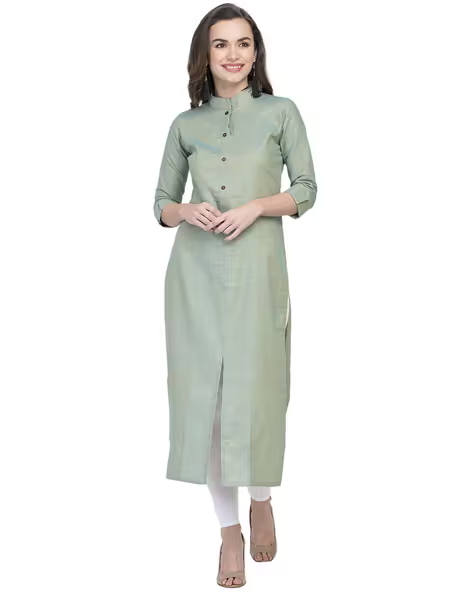
Kurtas usually extend below the knee, creating a flowing effect, while kurtis are shorter, typically ending at the hip or above the knee, giving a more compact appearance.


Fit Defines How The Garment Sits On Body
Kurtas are generally loose and draped, offering a relaxed feel, whereas kurtis are more tailored to highlight the bust and waist subtly.
Gender Associations Differ Across Both Designs
Traditionally, kurtas are worn by both men and women, making them unisex, while kurtis are designed exclusively for women with feminine cuts and detailing.
Sleeve Choices Influence Overall Aesthetic Significantly
Kurtas usually feature simple full sleeves, sometimes three-quarter, keeping designs uniform, whereas kurtis experiment with bell, puffed, half, or sleeveless options to create variation.
Hemline Variations Reflect Design Flexibility
Kurtas often maintain straight, even hemlines for traditional appeal, while kurtis include asymmetrical, layered, or high-low hems offering playful visual interest.
Occasion Determines How Each Garment Is Worn
Kurtas are preferred for traditional or ceremonial settings, whereas kurtis suit daily activities, semi-formal gatherings, or casual outings with ease.

Neckline Shapes Set Them Apart Visually
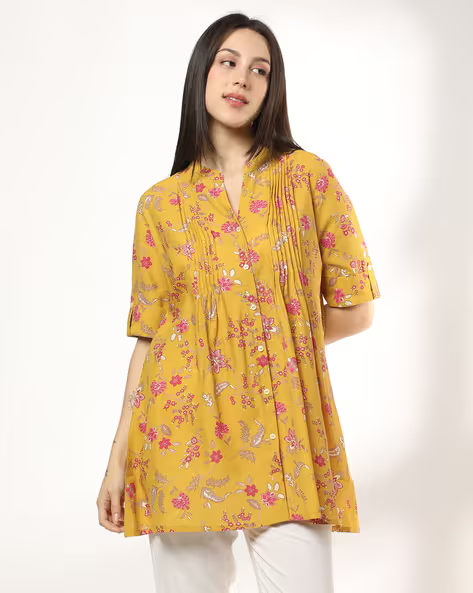
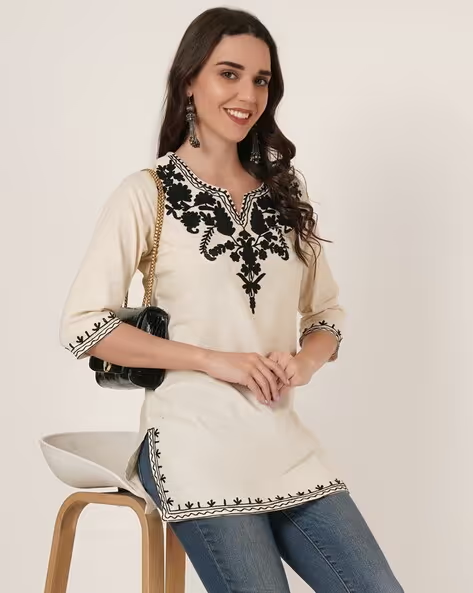
Kurtas tend to have classic round, mandarin, or V-neck collars, whereas kurtis feature square, boat, keyhole, or embellished necklines for personality.
Bottomwear Pairing Options Are Distinct
Kurtas are usually paired with pyjamas or trousers to complement their longer, flowing fit, while kurtis work with leggings or jeans to suit their shorter, more fitted silhouette.
Design Elements Reflect Tradition Versus Experimentation
Kurtas retain simple motifs, hand embroidery, and classic patterns, whereas kurtis embrace layered patterns, fusion cuts, and playful detailing for a modern touch.
Adaptability Shows Modern Wardrobe Differences Clearly
While kurtas maintain cultural formality, kurtis adapt well across contexts, combining traditional fabrics with contemporary combinations for varied occasions.
Understanding Kurta vs Kurti For Everyday Choices
The kurta and kurti difference comes from their length, fit, sleeves, and necklines, which shape how each garment is styled and worn. Knowing these differences helps you select outfits that suit casual outings, office days, or festive occasions without guesswork. Paying attention to these details makes your wardrobe more organised and balanced. For those looking to explore a variety of options, AJIO offers a collection of thoughtfully designed kurti and kurta.
FAQs
- What is a kurta?
Kurta meaning is a long, loose garment designed to be worn comfortably in everyday or festive settings.
- What occasions suit a kurti best?
Kurtis are ideal for casual outings, office wear, or semi-formal events, offering more freedom in pairing with different bottoms.