
Indian summers punish the wrong wardrobe choices within minutes. Picking a breathable fabric does more for comfort than any amount of styling, because it decides whether heat and sweat escape or sit against your skin.
What Breathability Actually Means
The breathable fabric meaning is simple. Air moves through the weave and moisture evaporates instead of being trapped. Natural fibres do this well because they absorb sweat and release it. Polyester and nylon hold it against the skin, which is why they feel sticky by midday.
Cotton Remains the Standard
Nothing beats cotton for daily use in heat. A breathable cotton fabric absorbs moisture, releases it slowly and gets softer with every wash. Mul and voile are the lightest versions and suit peak summer. The only real complaint is creasing, which needs ironing.
Linen for Genuine Heat
Linen has a looser weave than cotton, so air moves through it more freely and it dries faster. It creases heavily, but the look reads as intentionally relaxed rather than untidy. For anyone asking which fabric is best for summer in a coastal city, linen is usually the answer.
Bamboo and Modal Blends
Bamboo viscose feels smoother than cotton and wicks moisture well while staying soft against sensitive skin. Modal behaves similarly and creases far less. Bamboo tshirts are worth trying if you find cotton too rough or too high maintenance.


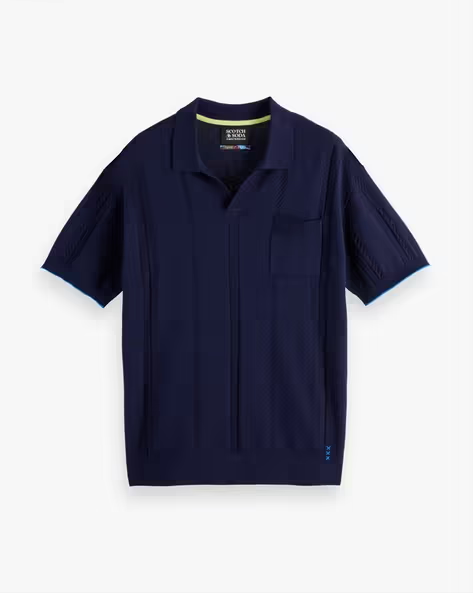
Choosing for Shirts and Office Wear
The best fabric for shirts in summer is cotton in a loose weave such as poplin or chambray. Avoid heavy twill and anything with high polyester content. A pale colour also helps, since dark shades absorb heat and show sweat marks more clearly.
Summer Dresses and Everyday Pieces
The lightest fabric for summer dressing tends to be cotton voile, mul or a fine linen blend. Floral dresses in these fabrics stay comfortable through long afternoons, and a loose cut helps more than a fitted one because air can circulate.
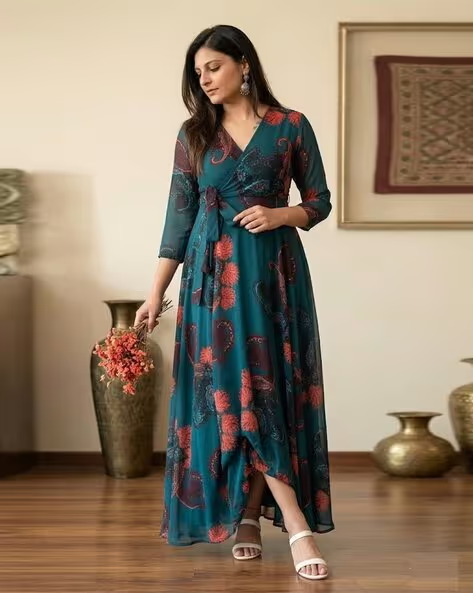
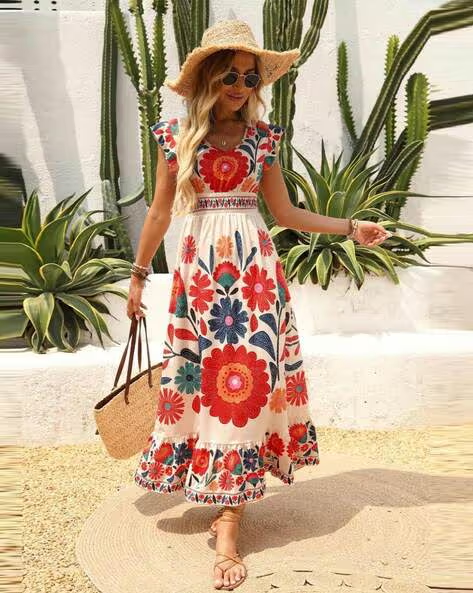
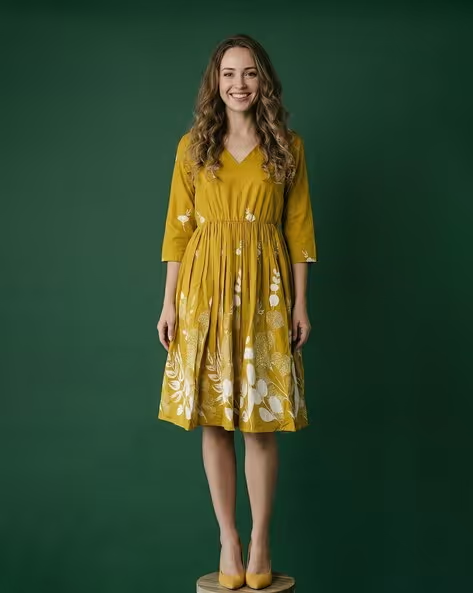
Weave and Colour Matter Too
Fibre is only half the story. A loose open weave lets far more air through than a tight one made from the same yarn, which is why two cotton shirts can feel completely different. Pale colours reflect heat while dark shades absorb it, and a relaxed cut always beats a fitted one in humidity.
Shop Summer Fabrics at AJIO
Reading the fabric content rather than the product title is the single most useful habit here. A breathable fabric for summer wardrobe needs cotton and linen doing most of the work, with bamboo or modal for anything worn close to the skin. AJIO carries all of these across shirts, dresses and everyday basics.
FAQs
1. Is linen better than cotton in summer?
Linen is a little more breathable and dries faster but it wrinkles a lot more. Cotton is more comfortable on the skin and easier to wash, so most people think it’s the more practical everyday option.
2. Why synthetic fabrics feel hotter?
Polyester and nylon are not moisture-absorbent, so sweat stays on the skin rather than evaporating away. They also trap warm air against the body and that’s why they feel clammy within the hour.