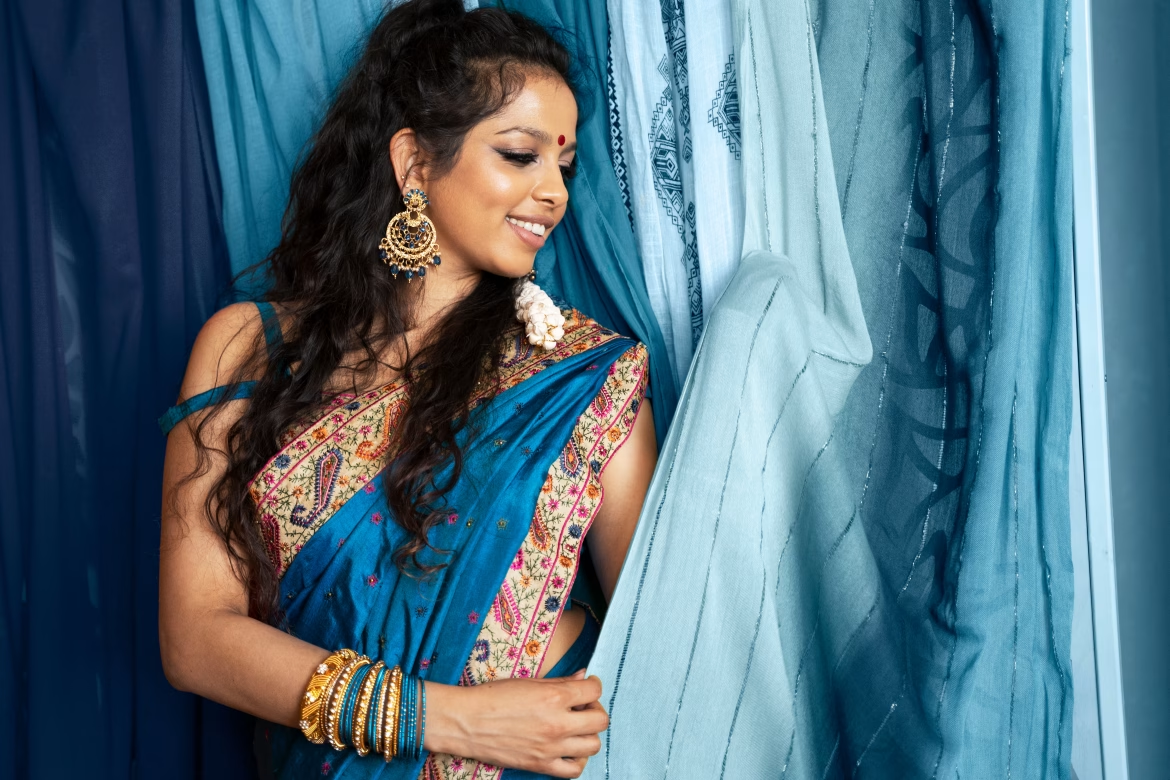
The fabric decides how a saree drapes, how it feels through a long day and how often you actually reach for it. Anyone asking which saree material is best will find there is no single answer, only the right choice for the occasion. Weather, comfort and the look you want all play a part. AJIO stocks a wide range, so it helps to know what each fabric does before you buy.
Cotton for Daily Comfort
Cotton is the most convenient option for Indian weather. It breathes well, absorbs sweat and stays comfortable through humid afternoons. It creases easily, which is the one trade off, but the softness improves with every wash. Cotton sarees suit office wear, college and daytime functions.


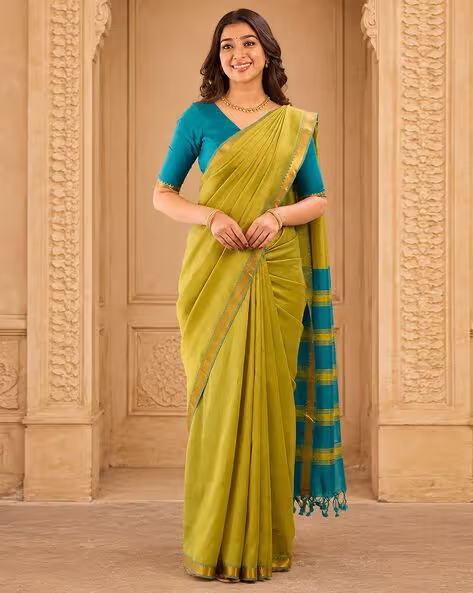
Silk for Weddings and Festivals
Silk holds structure and catches light, which is why it stays the first choice for weddings. It sits heavier on the body and needs dry cleaning, so it works better for occasions than for daily wear. Kanjeevaram, Banarasi and raw silk each drape differently, so try to see the fall before deciding.
Georgette and Chiffon for Easy Draping
These two are the lightest of the popular options. Georgette sarees have a slightly grainy surface, hold printed colour sharply and resist creasing, which makes them good for travel. Chiffon is softer and flows more, though it needs pinning because it slips. Both suit evening events and long functions.
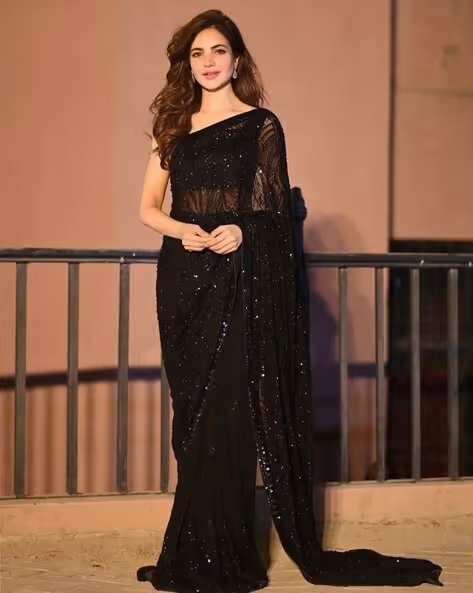
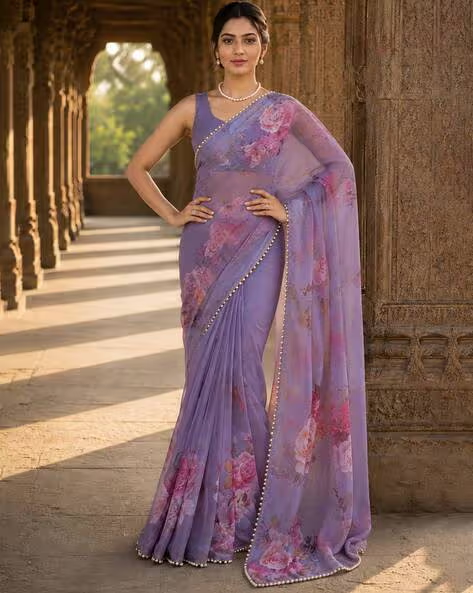

Net and Sheer Fabrics for Occasions
A net saree material is built for parties and receptions rather than daily use. It is see through by nature, so the lining and the blouse do most of the work. These drape lightly and photograph well, but they snag easily and need careful storage.
Linen and Blends for Warm Months
Linen breathes almost as well as cotton and looks intentionally relaxed when it creases. Blended fabrics mix the drape of synthetics with the comfort of natural fibres, usually at a lower price. These are worth knowing about when you want something between everyday and festive.
Understanding the Options Before You Buy
Once you know the different types of saree materials, the choice becomes far simpler. Ask where you will wear it, how long you will have it on and whether you can manage dry cleaning. The best fabric for saree wear in May is rarely the same one you would choose for a December wedding.
Build Your Saree Collection with AJIO
A useful saree buying guide comes down to matching fabric to occasion rather than chasing one perfect material. Two cotton sarees for daily wear, one silk for functions and a georgette for evenings will cover most of the year. AJIO carries all of these across a wide price range, so you can build the collection slowly.
FAQs
1. Which saree fabric is best for summer?
Cotton and linen are the most comfortable in heat, since both breathe and absorb moisture. Mul cotton is even lighter if you want something for peak summer.
2. Which fabric is easiest to drape for a beginner?
Georgette and cotton silk hold their place well and do not slip much. Pure chiffon and satin are the hardest to manage, so leave those until you are comfortable with pleating.