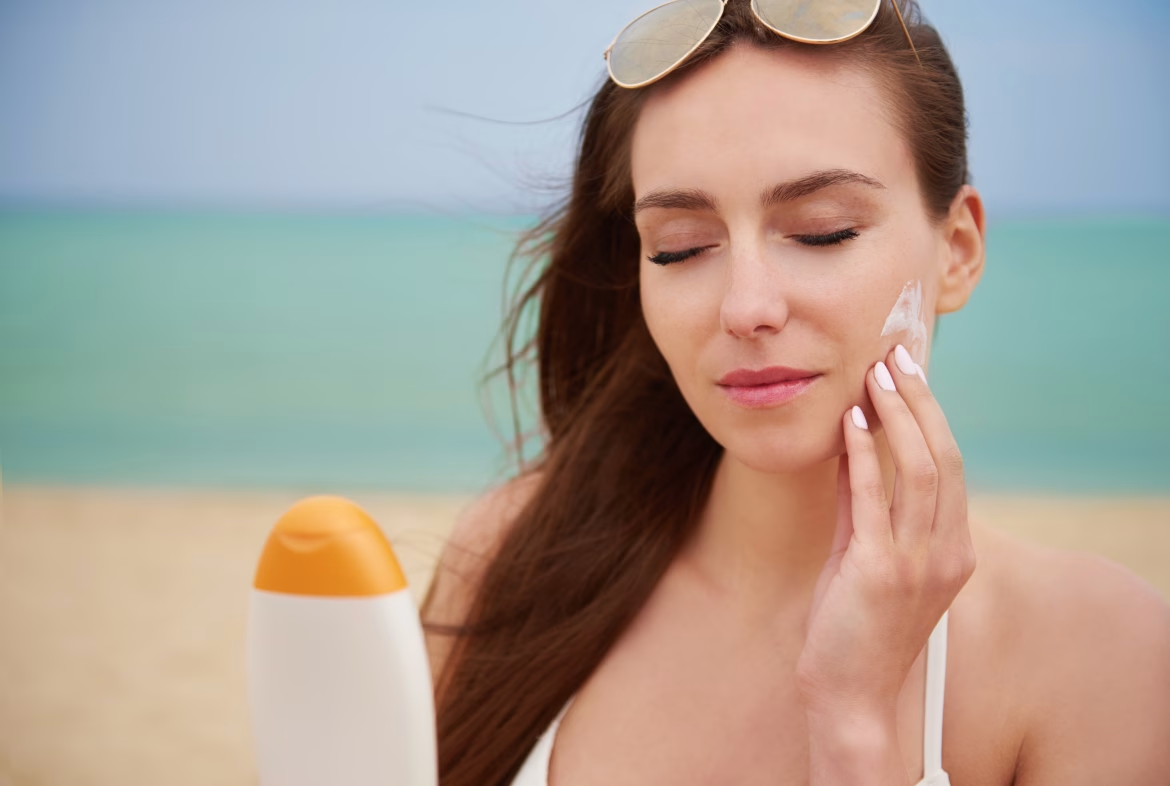
So what is photostable sunscreen, exactly? It’s a formula where the UV filters don’t break down under sunlight. Your protection actually holds up for hours, not just the first thirty minutes. Once you understand this one detail, choosing a sunscreen that actually does its job gets a lot easier.
Photostable Meaning, in Simple Terms
Photostable meaning, at its core, is about consistency. Some UV filters lose their structure when hit by sunlight. A photostable filter resists that breakdown. The protection level you applied in the morning stays close to what you’re still getting hours later.

MAMAEARTH Hydragel Indian Sunscreen with Aloe Vera & Raspberry for Sun & Tan Protection SPF 50 PA
Shop Now
MAMAEARTH Ultra-Light Indian Sunscreen with Carrot Seed Turmeric Tan Protection SPF 50 PA++++
Shop NowWhy Photostability Actually Matters
Understanding photostable sunscreen benefits comes down to one thing: consistent protection against tanning, pigmentation, and premature ageing. Regular sunscreens can lose real-world effectiveness as the UV filters degrade through the day. Photostable formulas keep working closer to their labelled SPF for longer. That matters most during long outdoor hours.
Ingredients to Look For
Good photostable sunscreen ingredients include zinc oxide and titanium dioxide. Those are naturally stable mineral filters. On the chemical side, look for newer-generation filters or combinations that include stabilisers. Older filters like avobenzone can degrade unless they’re paired with something to hold them steady. Checking the ingredient list is worth the extra minute.
Choosing by Skin Type
Photostable sunscreens aren’t one-formula-fits-all. Have oily skin? A lightweight, gel-based mineral formula usually works better than a heavy cream. A photostable sunscreen for dry skin should lean toward hydrating bases with ingredients like ceramides or hyaluronic acid.
Everyday Uses Beyond the Beach
The common photostable sunscreen uses go well beyond a day out in the sun. Daily commutes, desk jobs near windows, even indoor lighting all involve some UV exposure over time. Wearing a photostable formula daily protects against slow, cumulative sun damage.
What You’re Actually Paying For
Price usually reflects the filter technology inside the bottle, not just the brand name on the front. Newer-generation photostable filters tend to push formulas into a slightly higher price bracket. They’re pricier to produce than older chemical filters. Budget-friendly mineral options with zinc oxide can be just as photostable without the premium cost.

How to Use It the Right Way
Apply a generous layer at least 15-20 minutes before stepping out. Even with a stable formula, reapplication every few hours is still the safest habit, especially if you’re sweating or in direct sun for long stretches. Photostability extends protection. It doesn’t replace reapplication entirely.
Build Your Sun Care Routine With AJIO
A good sunscreen isn’t just about SPF number. It’s about how well that number holds up once you’re actually out in the sun. Explore women’s face sunscreen options across strengths, from a light women 15 SPF for everyday indoor days, to women 30 SPF and women 35 SPF for regular outdoor exposure, up to women 50 SPF for long hours in direct sun.
FAQs
- Do I still need to reapply photostable sunscreen?
Yes, definitely. Photostability just means the filters break down slower, not that they last all day without reapplication. Every 2-3 hours in direct sun is still the safe rule.
- Is mineral sunscreen always more photostable than chemical sunscreen?
Generally, yes. Zinc oxide and titanium dioxide are naturally stable under sunlight. Some chemical filters need added stabilisers to stay effective for as long.