
Sunscreen is the most important part of any good skincare routine, but picking the right one can be surprisingly hard. As summer approaches and there are so many choices on store shelves, the debate over mineral vs. chemical sunscreen becomes more important than ever. When you know how each type works, you can choose the best types of sunscreens for your skin from AJIO.
What the Two Kinds of Sunscreen Really Do
The main difference between mineral and chemical sunscreen is how they both react to UV rays. Mineral sunscreens sit on the skin and use zinc oxide or titanium dioxide to block sunlight physically. They work like a shield, bouncing rays off before they hit the skin. Chemical sunscreens, on the other hand, soak into the skin and change UV rays into heat, which the body then releases. Both approaches offer real protection, but the mechanism behind each is quite different. Knowing this distinction helps you understand why one formula might suit your skin better than the other.
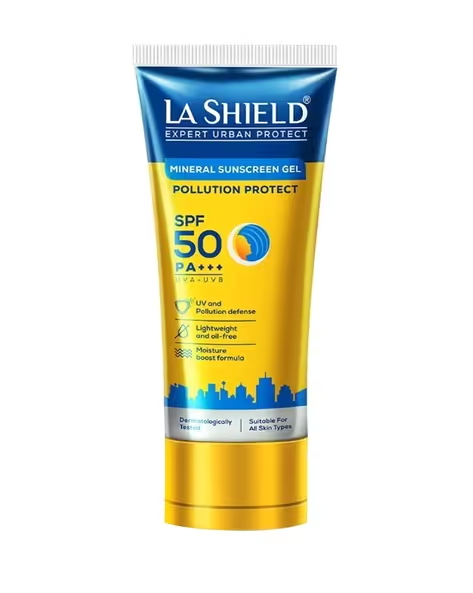
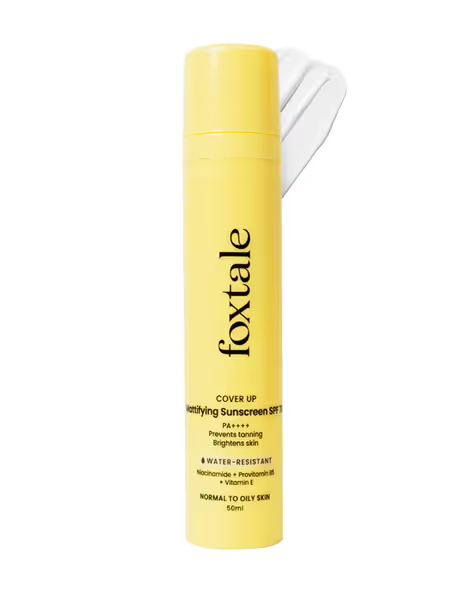
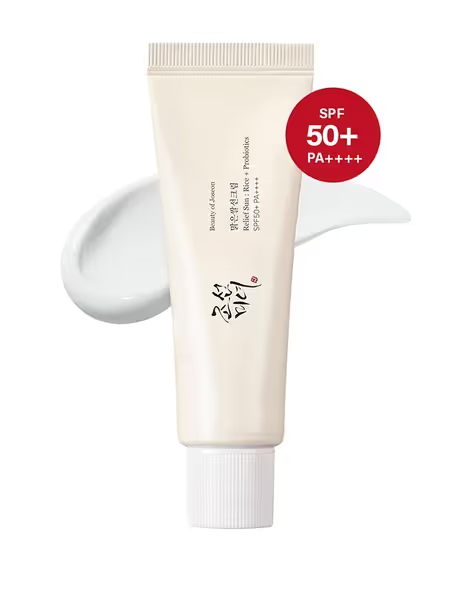
Understanding the Different Types of Sunscreen
Exploring the types of sunscreen available makes it easier to narrow down what your skin actually needs. Mineral formulas are usually thicker and can leave a light white cast, but newer ones mix better than older ones. They are usually better for sensitive or reactive skin because the ingredients stay on the surface instead of going deeper. Chemical formulas are usually lighter, more transparent, and easier to layer over other makeup. They soak in quickly and don’t feel as heavy on the skin, which is why many people wear them every day. Some products use both methods to create a hybrid formula that combines the best parts of each.
Choosing a Mineral or Chemical Sunscreen for Your Skin
If your skin is sensitive, prone to breakouts, or reacts to active ingredients, a mineral sunscreen is usually more comfortable. A chemical formula might be better for you if you want a light, invisible finish and spend a lot of time outside. Reapplication matters with both types, so whichever you choose, consistency is what delivers real sun protection over time.


What to Look for When Picking a Sunscreen
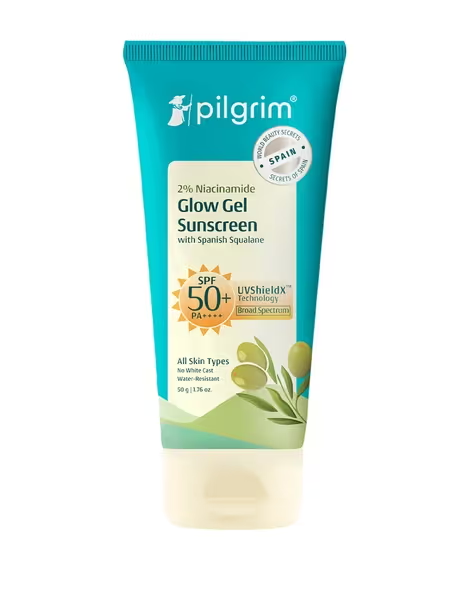
Beyond the mineral sunscreen vs chemical sunscreen divide, a few other details shape a good pick. Always look for broad-spectrum coverage, which protects against both UVA and UVB rays. For everyday use, an SPF of 30 or higher is usually recommended. For long periods of time in the sun, an SPF of 50 is best. Be aware of how the sunscreen feels on your skin.
Find the Sunscreen that Works for You
The best choice for you depends on your skin type, your daily routine, and what feels good to wear. It doesn’t matter whether you prefer a physical shield or a light-absorbing formula; the most important thing is that you use it every day without fail. This summer, make sure sun protection is a must-have in your skincare routine. Explore a wide range of options at AJIO and watch your skin transform.
FAQs
- Is mineral sunscreen better than sunscreen with chemicals?
Mineral formulas are good for sensitive skin, but chemical ones are better for everyday wear that isn’t too heavy.
- Is it okay to use mineral and chemical sunscreen at the same time?
Yes, some formulas already mix the two types for better coverage and a smoother finish. It’s usually not necessary to layer different products, and doing so might change how well each one works.


