Category: Hair Care

  • Argan Oil for Hair: Top 10 Benefits and How to Use It

    Argan Oil for Hair: Top 10 Benefits and How to Use It

    Hair care has taken a more intentional turn, and argan oil for hair sits firmly at the centre of that shift. Sourced from the kernels of the Moroccan argan tree, this golden oil has earned its place in serious hair care routines across the world. Whether your hair is dry, frizzy, or simply lacking lustre, the right oil can change everything. Many of the finest options are available on AJIO.

    Why Argan Oil Stands Apart in Hair Care

    Not every oil delivers the same results. Pure argan oil for hair is rich in oleic acid, linoleic acid, and vitamin E, making it exceptionally nourishing without feeling heavy. It absorbs quickly, works across hair types, and addresses multiple concerns at once. That versatility is precisely what makes it so widely trusted.

    BRILLARE Argan Oil for Dry Frizzy Hair

    BRILLARE Argan Oil for Dry Frizzy Hair

    Shop Now

    KHADI NATURAL Moroccan Argan Hair Oil

    KHADI NATURAL Moroccan Argan Hair Oil

    Shop Now

    PEARLIX BE NATURAL Argan Cold Pressed Hair Oil

    PEARLIX BE NATURAL Argan Cold Pressed Hair Oil

    Shop Now

    Strengthening and Reducing Breakage

    One of the most valued argan oil benefits for hair is its ability to reinforce each strand from within. Regular use helps reduce brittleness and minimise split ends. Hair feels noticeably more resilient over time, especially when used consistently after washing.

    Taming Frizz and Adding Smoothness

    Humidity and heat styling often leave hair looking unruly. Argan oil uses for hair include acting as a natural frizz shield, coating the cuticle and keeping moisture locked in. A small amount applied to damp hair before styling can dramatically change the final texture.

    Restoring Shine Without Greasiness

    Dull hair often signals moisture loss or product buildup. Argan oil benefits include restoring a natural, healthy sheen without the greasy residue that heavier oils tend to leave behind. It gives hair a clean, polished appearance that feels effortless.

    SOULFLOWER Coldpressed Argan Carrier Oil

    SOULFLOWER Coldpressed Argan Carrier Oil

    Shop Now

    COLORBAR Earth Range Argan Oil

    COLORBAR Earth Range Argan Oil

    Shop Now

    SCHWARZKOPF Oil Ultime Argan Oil

    SCHWARZKOPF Oil Ultime Argan Oil

    Shop Now

    Soothing the Scalp and Supporting Growth

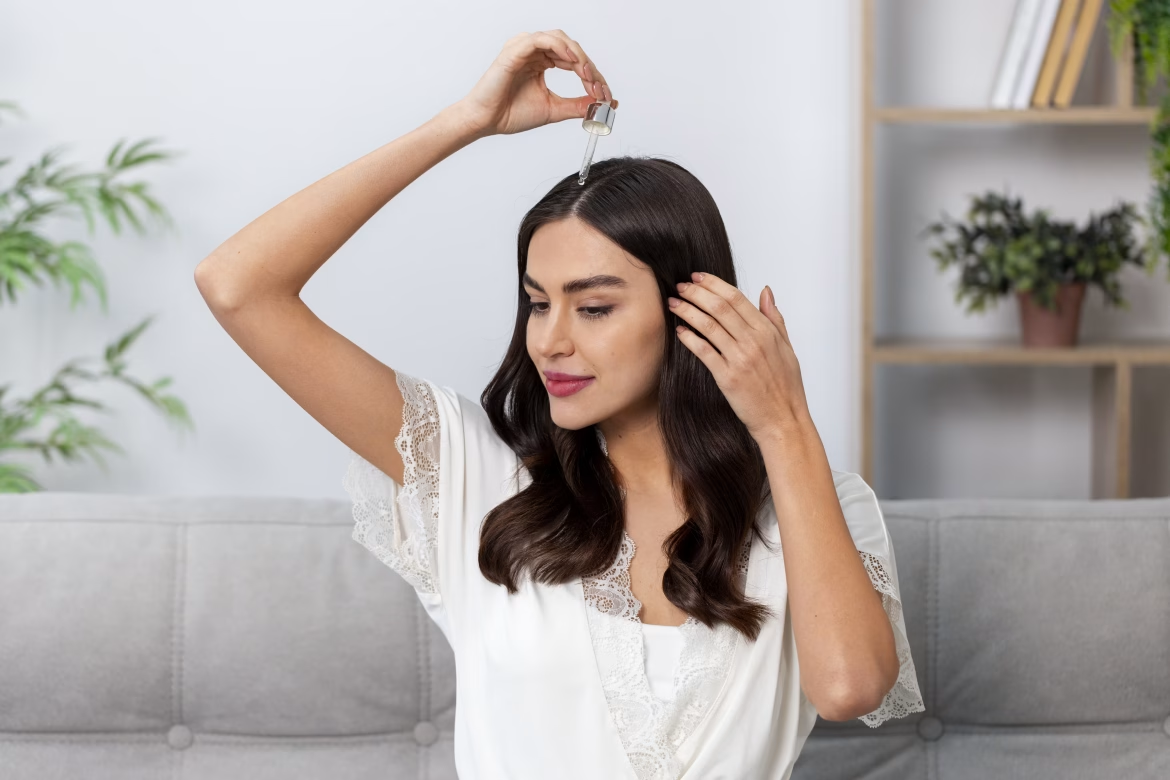
    A well-nourished scalp creates the right conditions for healthy hair growth. The anti-inflammatory properties found in premium argan oil help calm irritation and dryness at the root. Massaging a few drops into the scalp once or twice a week encourages circulation and keeps the scalp balanced.

    How to Use Argan Oil Effectively

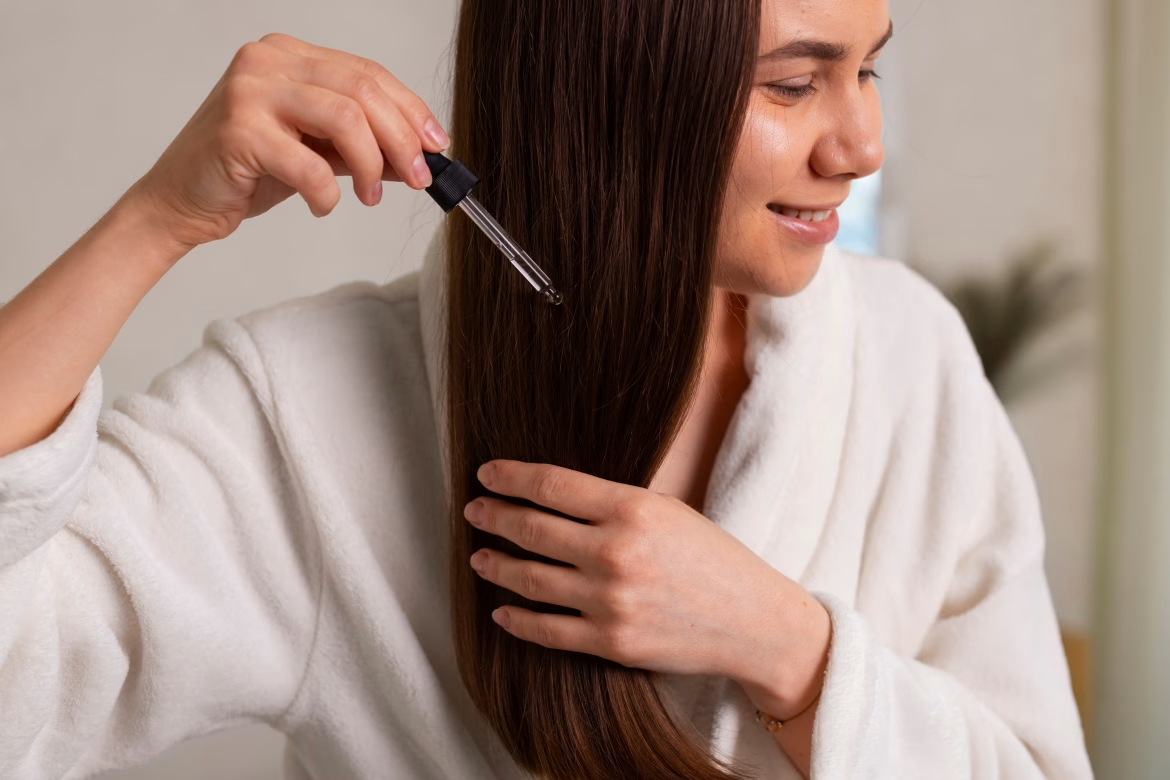
    Application method matters as much as the oil itself. For daily smoothing, work a few drops through the mid-lengths and ends of towel-dried hair before blow-drying. For a deeper treatment, apply generously to dry hair, leave it overnight, and rinse thoroughly in the morning. As a finishing touch, one drop warmed between the palms and pressed lightly over styled hair adds instant polish. Consistency brings the most visible results.

    Find the Right Argan Oil for Your Hair

    From frizz control to scalp care, the range of argan oil benefits makes it one of the most practical additions to any hair care routine. Each use brings your hair closer to feeling healthy, smooth, and genuinely cared for. Explore trusted options and discover what works best for your hair on AJIO.

    FAQs

    1. Is argan oil suitable for all hair types?
      Yes, argan oil for hair works well across most hair types, including fine, thick, curly, and colour-treated hair. Adjust the amount used based on your hair’s thickness and porosity.
    1. How often should I use argan oil benefits for hair care?
      Using it two to three times a week is generally sufficient for most people. Those with very dry or damaged hair may benefit from more frequent use.
  • What is Purple Shampoo and How to Use It

    What is Purple Shampoo and How to Use It

    Purple shampoo has quietly become one of the most talked-about products in hair care, and for good reason. If you have blonde, highlighted, or colour-treated hair, you have likely noticed how brassiness creeps in over time, dulling the tone and making your colour look tired. It is important to choose the right shampoos, like, purple shampoo, in such cases. It neutralises warm yellow tones, restores vibrancy, and keeps your hair looking freshly toned between salon visits. Whether you are new to it or just want to use it more effectively, understanding the right hair care products from AJIO and how they work makes a real difference.

    What Exactly is Purple Shampoo?

    Purple shampoo is a toning shampoo present with violet pigments. These pigments sit on the colour wheel directly opposite yellow and cancel out brassy and golden tones when applied to the hair. It doesn’t lighten your hair because it is not a bleaching product. It works by applying a small amount of purple pigment to the hair shaft, which cools it and restores a cleaner, cooler tone.

    CRAZY COLOR Shampoo

    CRAZY COLOR Shampoo

    Shop Now

    ALFAPARF MILANO PROFESSIONAL Smoothing Low Shampoo

    ALFAPARF MILANO PROFESSIONAL Smoothing Low Shampoo

    Shop Now

    ALFAPARF MILANO PROFESSIONAL Blonde Anti-Yellow Hair Shampoo

    ALFAPARF MILANO PROFESSIONAL Blonde Anti-Yellow Hair Shampoo

    Shop Now

    What Causes Brassiness, and How Purple Shampoo Can Help

    Brassiness happens naturally when you spend time in the sun, style your hair with heat, use hard water, or let your hair colour fade over time. Even hair that has just been dyed blonde starts to look warmer in a few weeks. The best purple shampoofor blonde hair is made to fix this problem, so the colour stays looking polished and fresh from the salon for longer. A good purple shampoo lets you keep that cool, shiny finish at home with little effort instead of having to book a toning appointment every few weeks.

    Choosing the Best Purple Shampoo for Your Hair

    Not every formula works the same way. The bestpurple shampoo for your hair depends on your hair colour, texture, and how brassy it tends to get. People with very light platinum or white hair may need a formula with more colour, while people with subtle highlights can use something gentler. Choose products that also have moisturising ingredients like keratin, argan oil, or hydrolysed proteins so that the toning process doesn’t dry out your hair. When you are ready to buy purple shampoo, checking ingredient lists alongside pigment strength helps you find the right match for your specific hair needs.

    KUHL TEEN Root Revival Shampoo Anti Hair Fall and Dandruff

    KUHL TEEN Root Revival Shampoo Anti Hair Fall and Dandruff

    Shop Now

    SKINAA Women Hair Growth & Hair Fall Control Shampoo

    SKINAA Women Hair Growth & Hair Fall Control Shampoo

    Shop Now

    STREAX PROFESSIONAL Yellow Deleted! Purple Shampoo

    STREAX PROFESSIONAL Yellow Deleted! Purple Shampoo

    Shop Now

    Choose the Best Purple Shampoo for Your Hair

    You don’t have to live with brassiness until you go to the salon again. It’s easy to keep a cool, bright tone at home with the right purple shampoo and other products from AJIO that work best for your hair. Every small decision you make from learning about the science behind it to choosing the right formula for your hair type, makes a big difference in the end. Do things in different but right ways, play with the timing, and let your colour speak for itself.

    FAQs

    1. Can purple shampoo cause any damage to my hair?
      When used as directed, purple shampoo is generally safe and doesn’t hurt anything on its own. If you use it too much, it can sometimes leave a faint purple tint on very light hair. To avoid this, stick to the recommended frequency.
    1. How do I use purple shampoo on my hair?
      Apply generously on damaged ends. Leaving it on for three to five minutes works well for regular maintenance, while up to fifteen minutes suits heavily brassy hair. Always follow with a conditioner to keep your hair feeling soft and hydrated.
  • Hair Mask vs Hair Conditioner: Key Difference

    Hair Mask vs Hair Conditioner: Key Difference

    When it comes to choosing the right hair care product, you are likely to get confused among so many options that promise similar results. When you know the difference between hair mask and conditioner, you buy the right products. Whether your hair needs moisture or repair, the right product handles it well. AJIO is here to help you explore endless options for every hair type.

    What Is a Hair Conditioner and How Does It Work?

    So, what is hair conditioner? It is a creamy product used after cleansing that helps make your hair soft and frizz-free. Applied to the lengths for three to five minutes before rinsing, it is the last step of a hair-wash routine. It absorbs the moisture lost from your hair during cleansing. Suitable for all hair types, conditioners are essential products that add a protective layer to your hair.

    TRESEMME Keratin Smooth Mask

    TRESEMME Keratin Smooth Mask

    Shop Now

    WELLA PROFESSIONALS Fusion Intense Repair Hair Mask

    WELLA PROFESSIONALS Fusion Intense Repair Hair Mask

    Shop Now

    PLUM Olive & Macadamia Mega Moisturizing Hair Mask

    PLUM Olive & Macadamia Mega Moisturizing Hair Mask

    Shop Now

    What Is a Hair Mask and Why Does It Go Deeper?

    Now you may wonder: What is a hair mask? Compared to a hair conditioner, a hair mask offers deeper treatment with richer ingredients. It is left on for ten to thirty minutes. During this time, the formula penetrates deeply into your scalp. A hair mask for dry hair helps to restore moisture and elasticity, which a conditioner alone cannot. It also tackles problems like breakage, dullness, and heat damage as you use it consistently.

    The Core Difference Between Hair Mask and Conditioner

    What makes a hair mask different from a hair conditioner lies in its formula, purpose, and frequency of use. While a conditioner adds softness and shine to your hair, a hair mask deals with deeper hair concerns. In simple words, a hair conditioner is your hair’s moisturiser, and a hair mask is a weekly treatment that repairs and hydrates your hair deeply. Both play their own distinct roles in a well-balanced hair care routine.

    PILGRIM Anti-Hairfall Conditioner

    PILGRIM Anti-Hairfall Conditioner

    Shop Now

    DOVE Intense Repair Conditioner

    DOVE Intense Repair Conditioner

    Shop Now

    L'OREAL PARIS 6 Oil Nourish Conditioner

    L’OREAL PARIS 6 Oil Nourish Conditioner

    Shop Now

    Hair Mask vs Hair Conditioner: When to Use Each

    In the hair mask vs hair conditioner debate, usage matters. A conditioner is the final step in a regular hair-wash routine that makes your hair smooth. A hair mask is used once or twice a week, depending on your hair health and concerns. If you have chemically treated or heat-damaged hair, frequent masking will work wonders. For weak, dry hair, using the two in balance will nourish it properly.

    Finding the Best Hair Mask for Your Hair Type

    Whether it is dryness or dullness, your hair concern decides which hair mask is right for you. Those made with ingredients like argan oil and shea butter offer deep nourishment and work on dry, damaged hair. With AJIO’s wide range of hair care products for every hair type, you can easily find products that make a place in your hair care routine.

    Building a Routine That Works for Your Hair

    Using both products correctly will give your hair the care it needs. Staying consistent will make your hair healthy, soft, and radiant in no time. Browse AJIO’s hair care collection to achieve your dream hair.

    FAQs

    1. Should I use a hair mask every day?
      No. Hair masks are too heavy to be used every day. They should not be used more than once or twice a week.
    1. Is a hair mask good for an oily scalp?
      Yes, you can apply the hair mask on the mid-lengths and ends, avoiding the scalp, for the right amount of nourishment.