Formal shoe shopping usually comes down to two names you’ll keep running into: Oxford and Derby. The Oxford vs. Derby shoes question trips people up because both look similar from a distance, but the construction is different, and that difference affects how the shoe fits and how it’s worn. Here’s what actually separates the two.
What Are Oxford Shoes
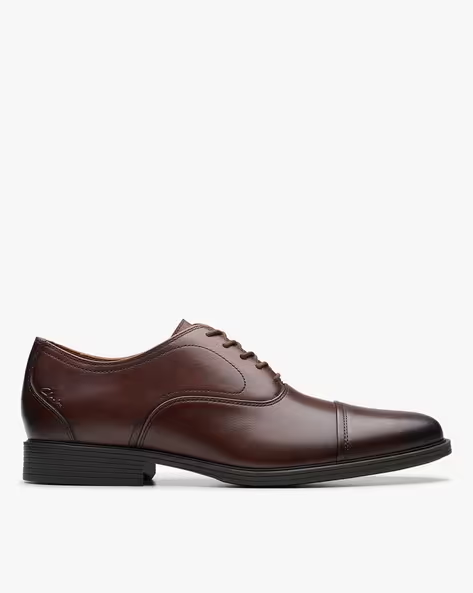
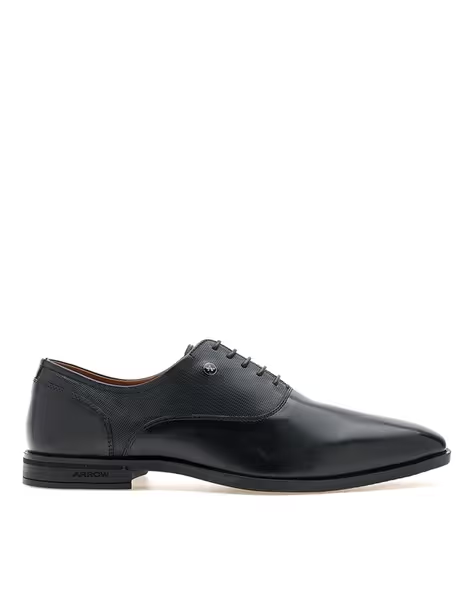
So, what are Oxford shoes? An Oxford shoe definition comes down to one detail: closed lacing. The eyelet tabs are stitched under the vamp, not on top of it, so the sides pull together and sit flat against the foot. That’s the sleek, low-profile look you see on formal shoes. Weddings, office events, anywhere a sharp fit actually matters, Oxfords are usually the safer pick.
What Are Derby Shoes
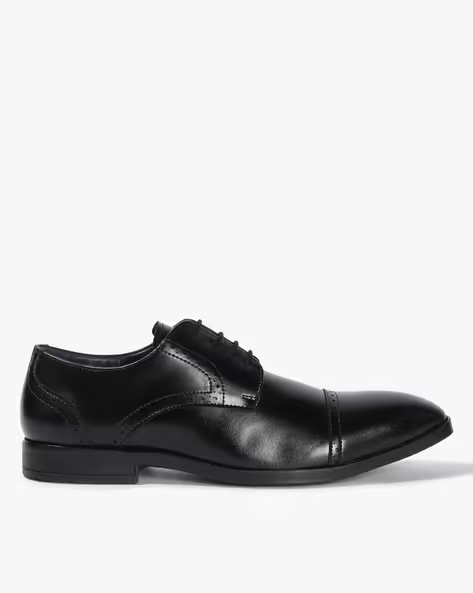
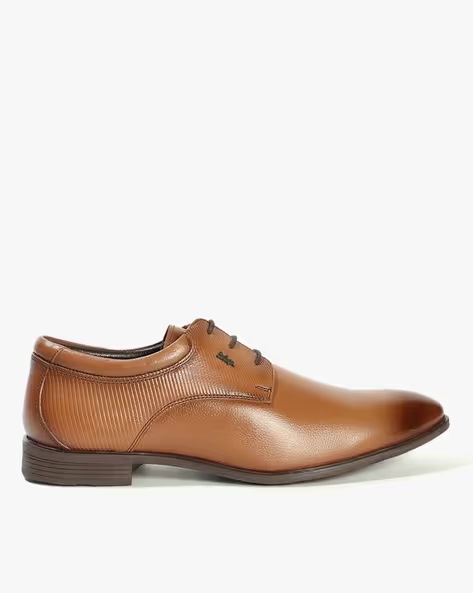
What are derby shoes, then? The derby shoes meaning centers on open lacing; the eyelet tabs sit on top of the vamp instead of underneath. That extra bit of structure gives Derby shoes more room across the foot, which is why they’re easier to slip on and generally more forgiving for people with a wider foot.
Difference Between Oxford and Derby Shoes
The core difference between Oxford and Derby shoes is in the lacing construction, not the material or the toe shape. Oxfords sit closer to the foot and read as more formal. Derbys have a bit more give and lean slightly more casual, even in leather. Once you know what to look for at the eyelets, spotting the difference takes seconds.
When to Wear Oxford Shoes
Oxfords work best with suits, particularly darker or more structured ones. Weddings, formal dinners, office settings with a strict dress code: Oxfords fit right into all of these. The tighter lacing keeps the shoe looking neat through a long day on your feet. Explore the men’s formal shoes range on AJIO if you’re building out a formal wardrobe from scratch.
When to Wear Derby Shoes
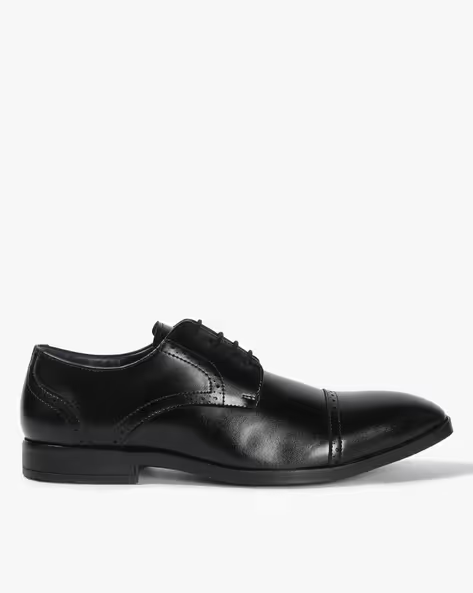
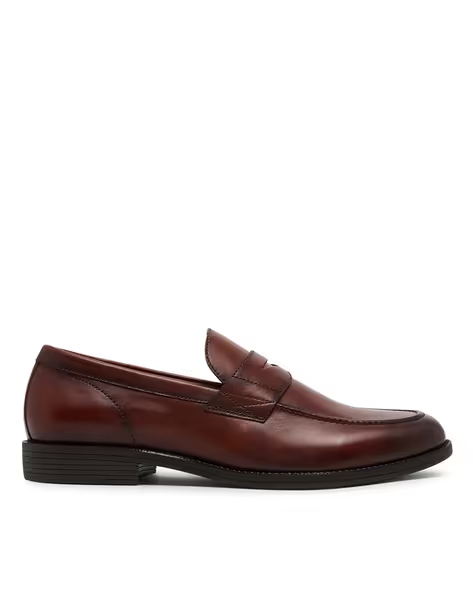
Derbys are more flexible day-to-day. Pair them with chinos, a blazer without a tie, or even smart-casual outfits for work. The open lacing also makes them a practical pick if you need to get in and out of the shoe quickly, or if your foot swells a bit over the course of the day.
Choosing Between the Two
If your wardrobe leans formal, start with Oxfords. If you need something that works across more occasions, Derbys cover more ground. Owning one pair of each usually solves the problem entirely rather than picking one over the other. AJIO stocks over 400 formal and casual shoe styles for men, so there’s enough to compare before deciding. Browse the wider men’s footwear section if you want to look beyond just Oxfords and Derbys before making a call.
FAQs
1. Are Oxford shoes more formal than Derby shoes?
Yes. That closed lacing pulls everything in tight, so they end up looking sharper, which is probably why people default to them for weddings or anything strictly formal.
2. Can Derby shoes work for people with wider feet?
Usually. The lacing sits on top instead of underneath, so there’s just more room across the foot than an Oxford gives you.