Sneakers now cover more ground than almost any other footwear category. The range available is wider than ever and the right choice depends much more on what you actually need from the shoe than on how it looks on the shelf.
Built for Sport
Sneakers come in different types and for different requirements. The most common ones are:
- Running sneakers are cushion-focused. The midsole uses foam engineered to absorb impact and spring back with each stride, designed for straight-line movement on road or track. Using them for heavy lateral sport wears them unevenly.
- Basketball sneakers have thick reinforced soles, dense cushioning, and strong ankle collars built for jumping, stopping hard, and cutting laterally. High-top coverage was the historical standard, though mid and low cut versions are now equally common.
- Tennis sneakers prioritise lateral stability and durability at the toe and side wall. The sole is harder and flatter than a running shoe, designed to grip on court without gripping so hard the player cannot slide. Clay court, hard court, and grass court versions exist since each surface punishes the sole differently.
For Everyday Life
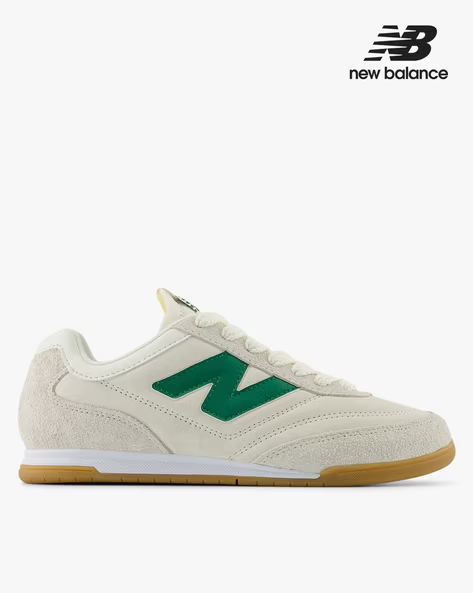
Lifestyle sneakers are what most people are actually buying. Designed for daily wear, they borrow from heritage sport designs without the technical requirements. Sneakers uses across commuting, casual dressing, and social occasions are almost entirely served by lifestyle styles, the widest category within types of sneakers by a significant margin.


The Ankle Height Question
Curious about what height works the best? Here’s a brief overview to consider:
- High top sneakers cover the ankle and sometimes go further. Associated with basketball and street style, the higher profile reads as a statement and works best with straight-leg or wider trousers.
- Mid top sneakers land at the ankle without going over it. Enough coverage to look considered, without the visual weight of a full high top.
- Low top sneakers sit below the ankle and are by far the most common cut. The lower profile works across the widest range of looks and disappears neatly under most trouser lengths.
Matching the Shoe to the Use
The practical question is always primary use when you are considering types of sneaker shoes. A cushioned running sneakers pick worn casually is fine. A lifestyle sneakers shoe at the gym for light training works too. The problem comes when the activity involves sustained impact or lateral stress the shoe was not built for. Running regularly in a lifestyle sneaker is the clearest example since the midsole is not designed for it and the knees notice before the sole shows wear.
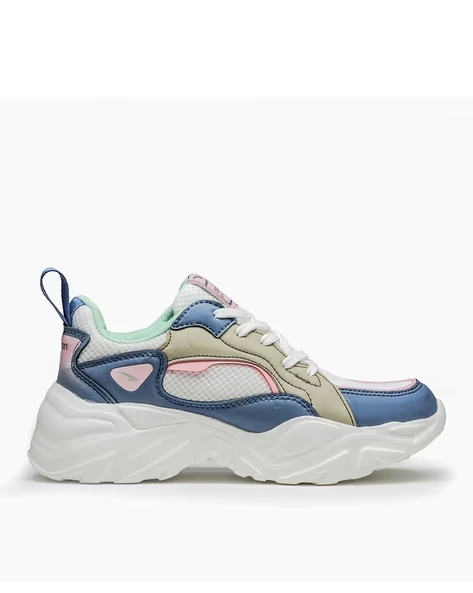
AJIO stocks a wide range of different types of sneakers across sport-specific and lifestyle categories from 60+ brands.


To Wrap Up
Knowing which category a sneaker belongs to makes it easier to choose one that actually performs the way you need it to. AJIO offers 5,000+ sneakers across multiple sneaker types from 60+ brands.
FAQs
- Basketball sneakers as everyday shoes: worth it?
Many people do this and find them comfortable since the cushioning is substantial. The sole is thicker than most casual shoes, which can feel unusual initially. The bigger consideration is that the ankle collar and overall bulk can look heavy with certain outfits, particularly slim or fitted trousers.
- High tops vs low tops for casual wear: what actually makes the difference?
Mostly the trouser cut. Wide, straight, or cropped trousers show the shoe and give a high top room to work. Skinny or slim cuts can make a high top look disproportionate. Low tops disappear neatly under most trouser lengths, which is why most people default to them without thinking about it.