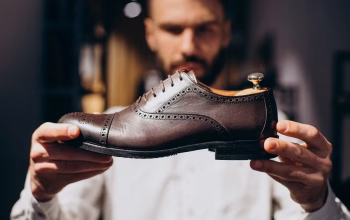
If your gym bag has one all-purpose pair of sneakers doing every job, it’s time to talk about training shoes vs running shoes. They look similar on a shelf. They’re built for completely different movements, though. Once you see what each is actually made for, choosing gets simpler.
What Training Shoes Are Really Built For
So, what are training shoes, exactly? They’re made for movement in every direction, like lunges, box jumps, lateral shuffles, lifting, etc. The sole sits flatter and closer to the ground. That gives you a stable base when you’re under a barbell or changing direction fast. Control, grip, and quick multi-directional moves are the point.


What Running Shoes Are Built For
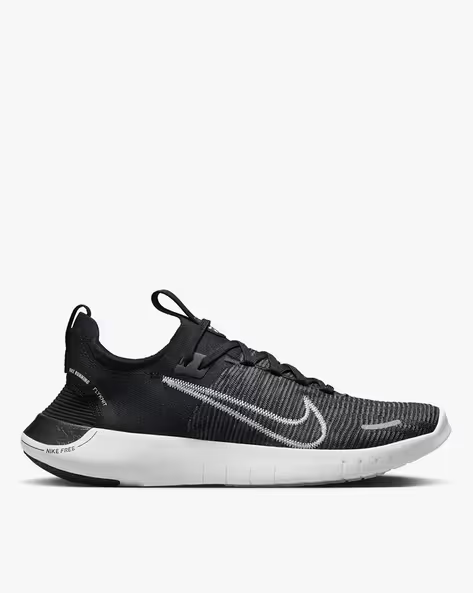
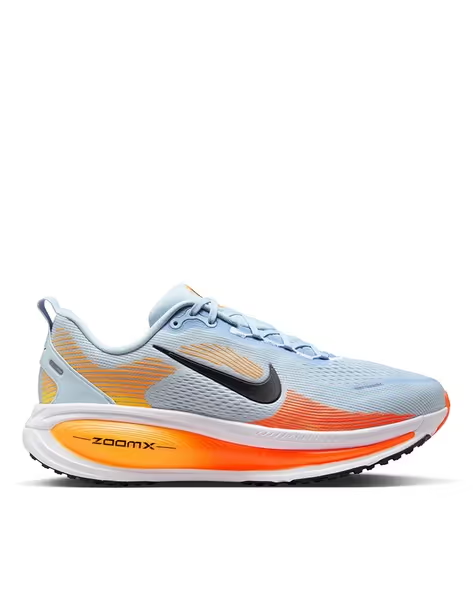
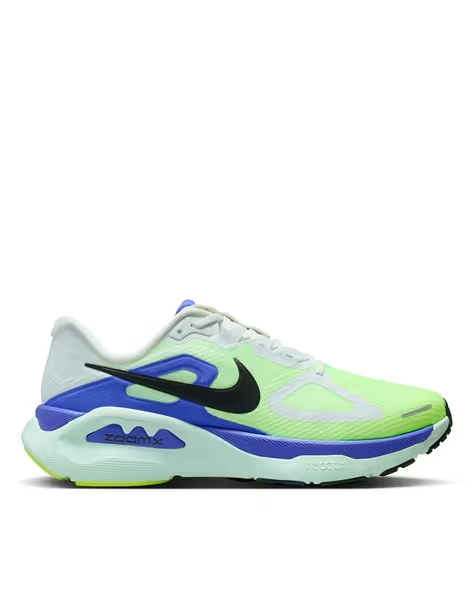
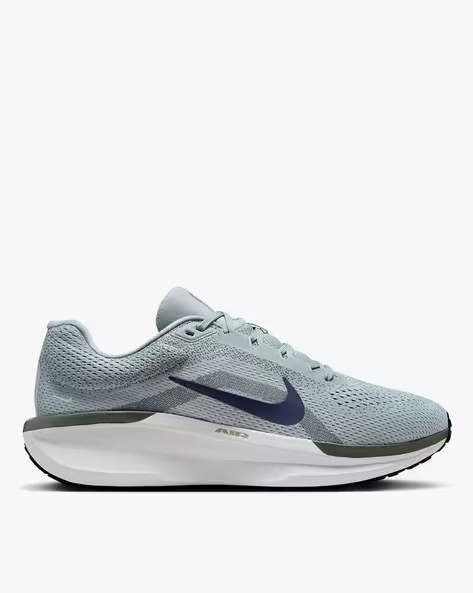
Running shoes are all about forward motion. Most running shoes have cushioning that sits thick at the heel and forefoot to soak up repeated impact, mile after mile. The sole curves slightly so your foot rolls smoothly from heel to toe. That’s the real difference between running and gym shoes. One cushions a straight line, while the other stabilises you in every direction.
Sole Structure and Ground Feel
A training shoe’s sole is thinner and firmer. You stay grounded and balanced during weights or HIIT. A running shoe’s sole is thicker and springier, built to absorb shock on roads or treadmills. The cushioning that helps on a run can work against you under a load.
Support Where You Need It Most
Training shoes reinforce the sides for lateral support. Running shoes put the support along the length of the foot, guiding it through a smooth forward stride. Mix both activities regularly? This is usually the deciding factor in training vs running shoes for your routine.
Can You Just Use One Pair for Everything?
This is where most people get stuck. Are sneakers good for running if they’re actually gym trainers? Not really; the flatter sole won’t cushion repeated impact well. And whether sneakers are good for running in general depends entirely on the sneaker’s build, not just the label. A true running shoe will usually outperform a flat trainer on distance runs.
Styling It Right, On and Off the Track
Both pairs go beyond the gym, which is nice. Chunky training shoes look good with joggers or gym wear for an easy athleisure look. For women, running shoes work just as well with everyday activewear tops or a simple pair of track pants for a casual weekend. Either way, you’re covered for the gym and the street.
Build a Smarter Shoe Collection With AJIO
The smartest move isn’t picking one over the other, but it’s having both for what they’re actually meant for. Grab a training shoe for your gym days and a running shoe for your morning miles. Your feet will thank you either way. Explore both styles and build a collection that keeps up with however you move.
FAQs
- Is sneakers good for running or gym workouts?
You can use it for gym workouts occasionally, but it’s not ideal. The extra cushioning makes lateral moves and lifts feel unstable. A proper training shoe will serve you better long-term.
- Do I really need separate shoes if I only work out a few times a week?
If your routine mixes cardio and strength training, then yes, it makes a real difference. Stick to just one activity? One good pair built for that specific movement is enough