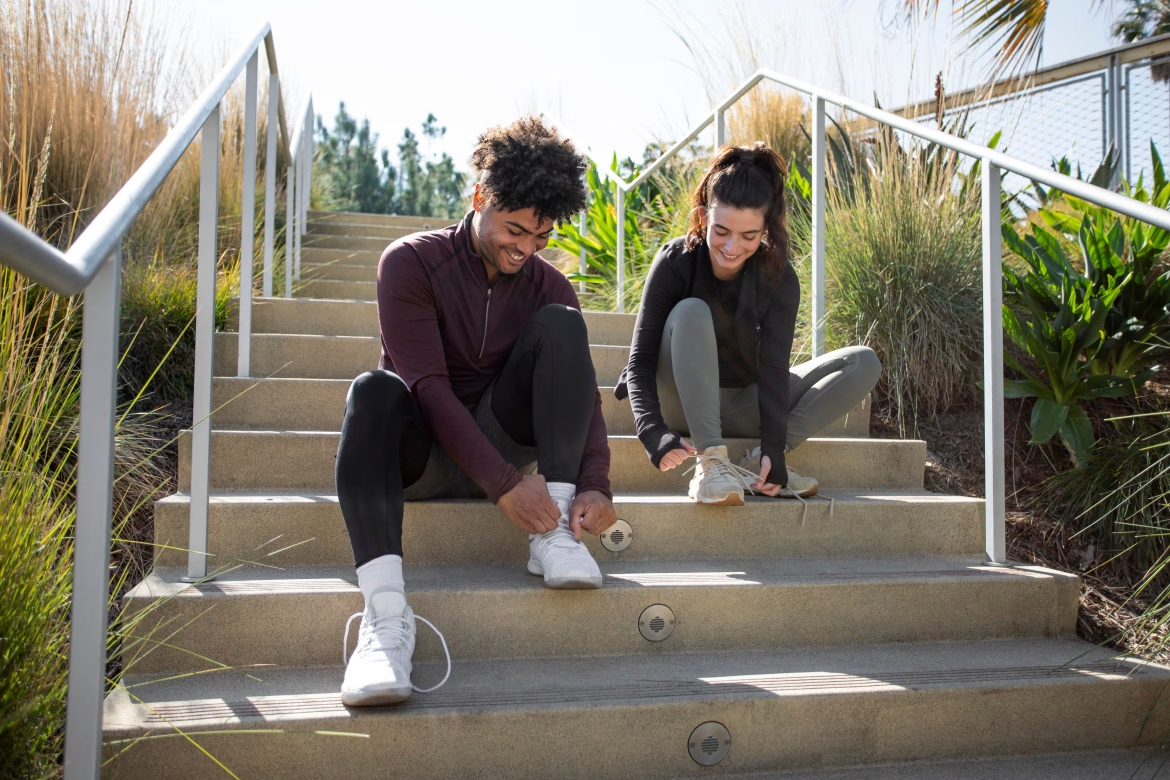
Walking shoes and running shoes can look almost identical at first glance, same sleek shape, same materials, sometimes even the same brand. The good news is that once you understand what sets them apart, choosing the right pair becomes much easier. Both are purpose-built to support your movement and keep you comfortable, but the engineering inside each shoe is tailored to very different demands. Here’s everything you need to know before you buy.
What Running Shoes Are Actually Doing
A running stride hits the ground with two to three times body weight in force, every step. The midsole is built to absorb and return that energy through specialised foam that compresses and rebounds. The heel sits higher than the toe, working with the heel-striking pattern most runners fall into naturally. Ventilation is more aggressive too since the body runs significantly hotter.
What Walking Shoes Are Actually Doing
Walking is a rolling motion. The heel contacts first, the foot rolls forward, and push-off happens at the toe. A walking shoe has a lower, firmer midsole that supports that rolling sequence. The forefoot is more flexible, the heel flare is more defined, and the overall stack is lower.
The Key Difference Between Walking Shoes and Running Shoes
Flexibility point is one clear marker. Walking shoes flex at the ball of the foot. Running shoes flex further back through the midfoot to accommodate a different push-off mechanic. Hold the shoe in both hands and bend it. Where it folds tells you a lot about what it was designed for.
Heel drop is another. Running shoes typically sit at 8 to 12mm heel drop. Walking shoes are usually lower, around 4 to 8mm, to keep the foot closer to a natural position through the rolling stride.
Using One for the Other
Can running shoes be used for walking: generally fine. Extra cushioning adds no harm during a walk and most people find running shoes comfortable for extended daily use. The higher heel drop is worth paying attention to on very long walks since it slightly changes posture through the stride over hours.
Can walking shoes be used for running: this is where it matters more. A walking shoe midsole is not built for running impact. Short occasional runs are manageable. Regular running in a walking shoe tends to show up in how the knees and hips feel after a few weeks, which is the clearest sign the shoe is not absorbing what it needs to absorb.
Choosing Between Them
Walking vs running shoes selection is decided by what you do most. Walk daily and run occasionally, a running shoe with moderate heel drop covers both. Run consistently, keep dedicated running shoes for training. Across both, fit needs the same attention: room at the toes, a heel that holds, and midfoot support that feels snug.
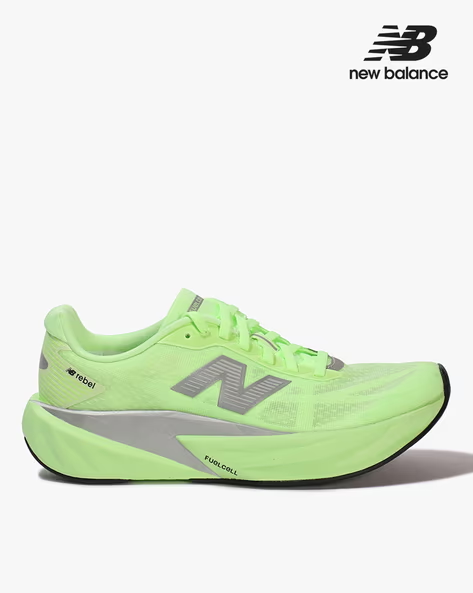
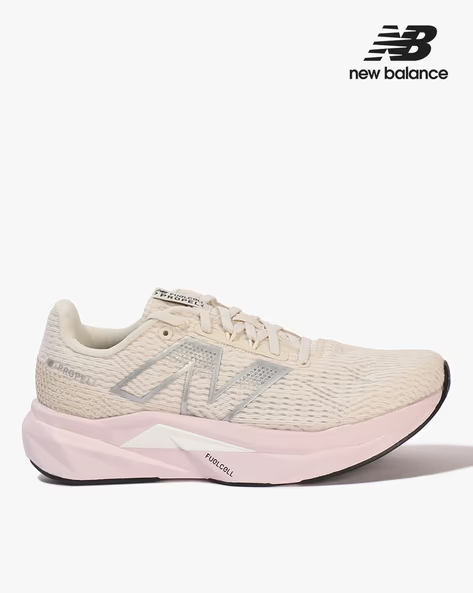
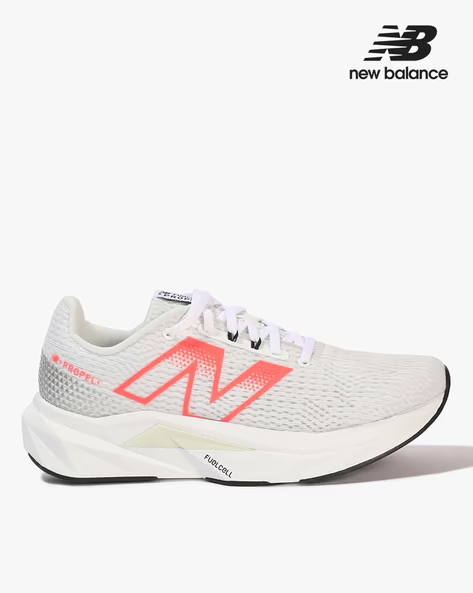
AJIO stocks a wide range of walking shoes vs running shoes options from 40+ brands across cushioning levels and fit types.
To Wrap Up
Walking and running place genuinely different demands on a shoe, and the one built for each activity reflects that in construction, weight, and flexibility. AJIO offers 1,000+ walking and running shoes for women and men from 40+ brands, with activity type and cushioning details on every listing.
FAQs
- How many kilometres before running shoes need replacing?
Usually it is around 500-700. The midsole compresses gradually and stops returning energy as effectively, which shows up as more fatigue in the legs rather than visible wear on the sole. Walking shoes last longer, sometimes twice that, since impact per stride is lower.
- Treadmill or outdoor, does the shoe need to change?
Not necessarily, but outdoor surfaces vary more and reward a shoe with better grip and lateral stability. Treadmill running is forgiving enough that most running shoes handle it well without adjustment.


